



Advanced Hearing Aid Technology for Lufkin and East Texas
Do you picture those ugly, bulky, and frustrating devices your parents or grandparents used to wear whenever someone mentions hearing aids? Just like what happened with cell phones, today’s hearing aid technology is worlds away from what it was a decade or two in the past.
Hearing Aid Technology
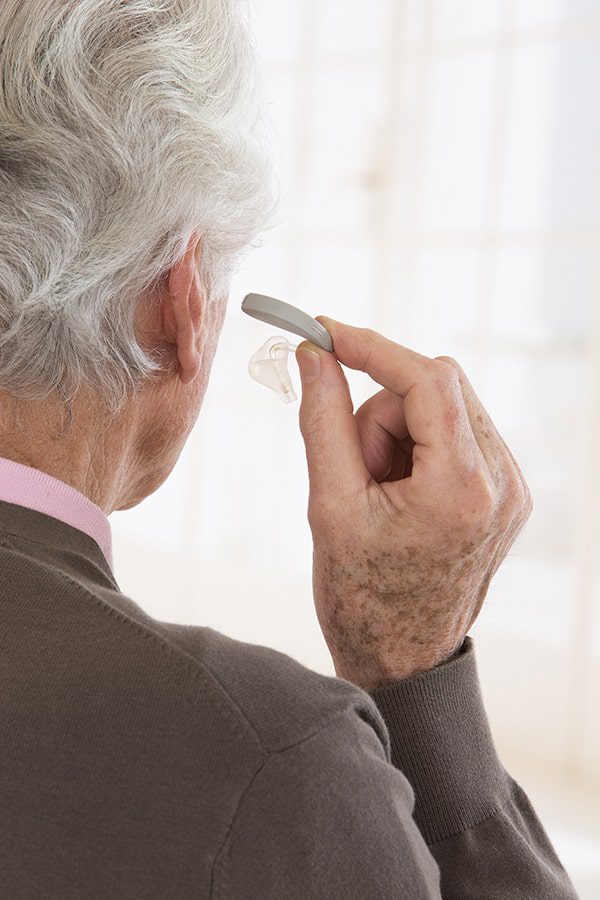
Hearing aid technology has rapidly progressed over the past decade, allowing manufacturers to produce devices that are smaller, lighter, more stylish, and discreet without sacrificing processing power. Many modern hearing aids include natural sound clarity, the capacity to control background noise, advanced features like long-lasting rechargeable batteries, and the capacity to link other digital devices, such as your cellphone, television, and computer to your hearing device.
“Is there a place to get hearing aids near me?”
There sure is! Audiological Services of Lufkin provides advanced technology hearing aids for individuals throughout East Texas who need a little help to hear bette
Audiology Services Partners with Major Hearing Aid Manufacturers
The choices we offer our patients include a broad range of technologies from brand name manufacturers, like:






With so many available hearing aid options, you’ll appreciate the help our hearing aid specialists can provide when it comes time to choose the device that best fits your needs and lifestyle.
Our Selection Process and Quality of Service Guarantee
Hearing aids come in a variety of sizes, colors, designs, and different levels of technology and features, making it difficult to select the best one for you. Our hearing aid specialist will help guide you through the selection process by helping you consider your needs and preferences for your prescription hearing aids, such as:
- Processing power to address your unique hearing challenges
- Accommodating your manual dexterity and visual capabilities
- Meeting your budget
- Addressing your wearing discretion and cosmetic concerns
- Taking skin sensitivities into account
- Addressing your anatomical/medical considerations
In addition to fitting you with the right hearing aids, our Audiological Services Quality of Service Guarantee includes:
- 30-day trial period
- Reprogramming
- Free Clean & checks (scheduled maintenance)
- Troubleshooting
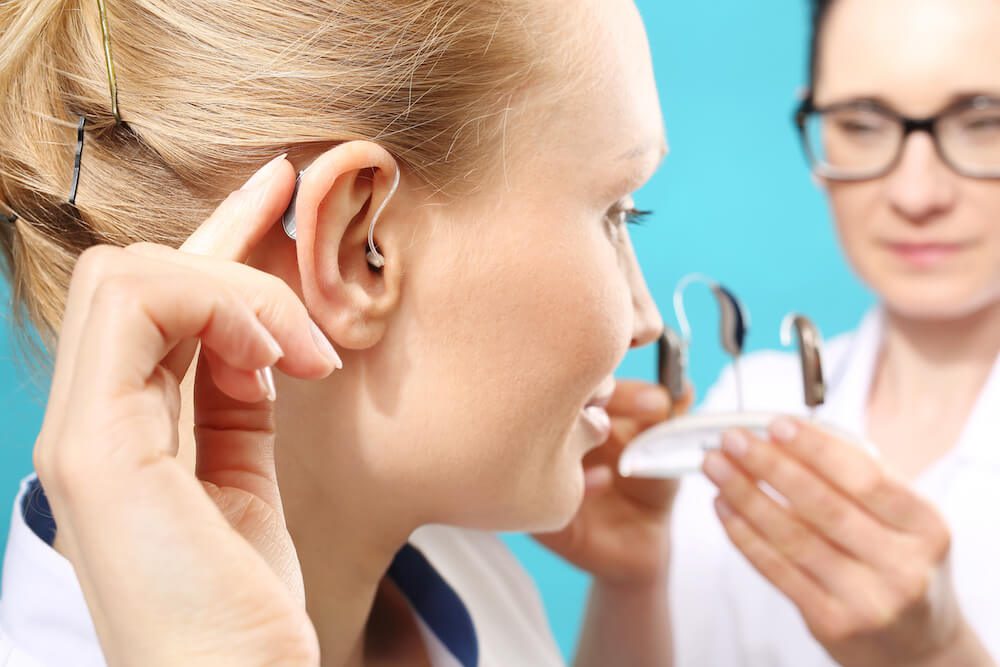
What Are The Different Styles?
Hearing Aid Styles


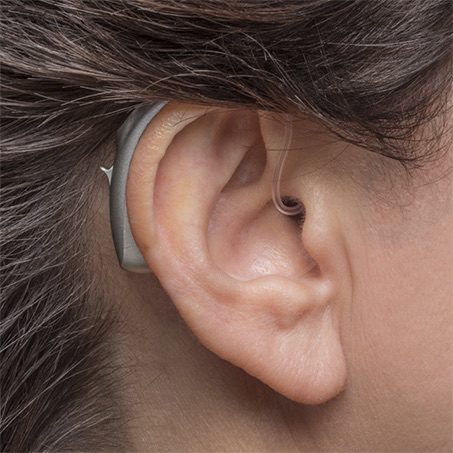
Behind-the-Ear (BTE) with Earmold
BTEs with earmolds fit mild through profound hearing losses. Their longer shape follows the contour behind the outer ear and can house many features, including a program button and volume control. The earmold color and style, as well as the wearer’s hairstyle, determine exactly how they’ll look on each person.
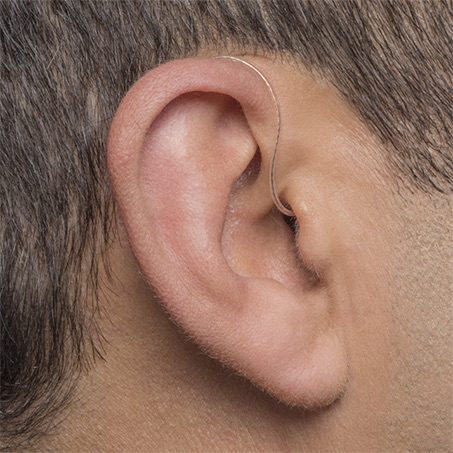
Mini BTE with Slim Tube and Tip
Mini BTEs are designed to hide behind the outer ear and have ultra-thin tubing to discreetly route sound into the ear. The tubing connects to a soft tip that sits in the ear canal but doesn’t occlude it. The result is a natural, open feeling as airflow and sound enter the ear naturally around the tip, while amplified sound enters through the tip. This is known as “open fitting” and is recommended for mild-to-moderate high frequency losses.
Receiver-in-Canal (RIC)
RIC models are mini BTEs that have the speaker of the instrument incorporated in the ear tip instead of in the main body of the instrument. RIC instruments fit mild-to-severe hearing losses. This hearing aid style looks similar to the Mini BTE when worn on the ear.
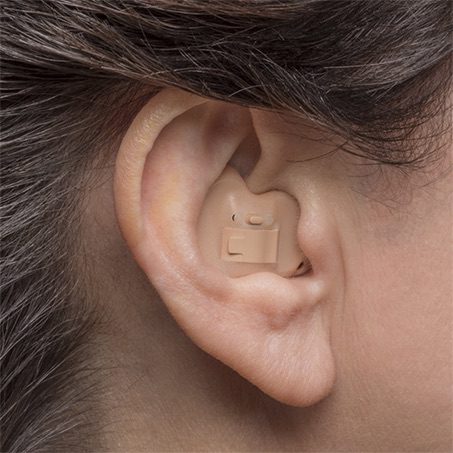
Full Shell or In-the-Ear (ITE)
Full shell models sit flush within the outer ear bowl. Their size allows the maximum number of additional controls and features such as directional microphones, which require space on the outer portion of the instrument. They use a larger battery size than the smaller styles and can fit a larger receiver with enough power for even some severe hearing losses. Because of their flexibility, they’re widely recommended for mild-to-severe hearing loss.
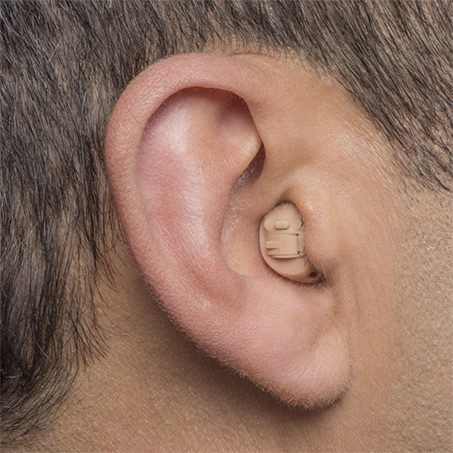
In-the-Canal (ITC)
ITC instruments sit in the lower portion of the outer ear bowl, making them comfortable and easy to use. Because they’re slightly larger than CIC models, they have a longer battery life and can host additional features such as directional microphones for better understanding in noisy environments and controls such as volume controls. They fit mild and moderate hearing losses.
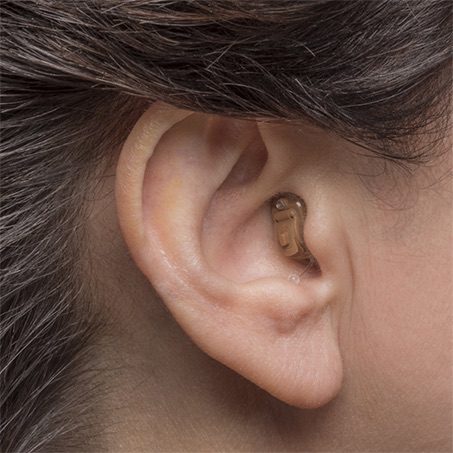
Completely-In-The-Canal (CIC)
The smallest custom style, CIC instruments, fit deeply and entirely within the ear canal. They fit mild-to-moderate hearing losses and offer high cosmetic appeal, as they’re nearly invisible when worn.
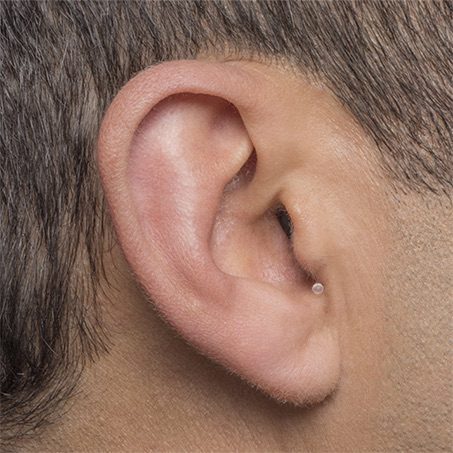
Invisible-In-the-Canal (IIC)
The smallest custom style, IIC instruments, sit invisibly in or past the second bend of the ear canal. IIC devices are specifically designed for mild-to-moderate hearing loss.
Hearing Aids We Provide
At Audiological Services, we partner with all major hearing aid manufacturers to provide you with access to the latest technology from leading brands. This independence allows us to match you with the hearing aids that best fit your specific needs and lifestyle, rather than limiting your options.
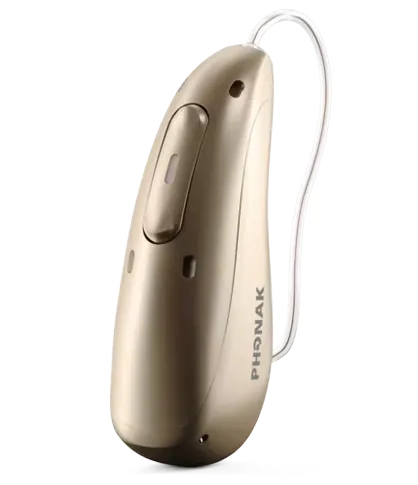
Phonak Infinio
Next-generation hearing technology featuring ERA chip processing and enhanced speech clarity across all listening environments.
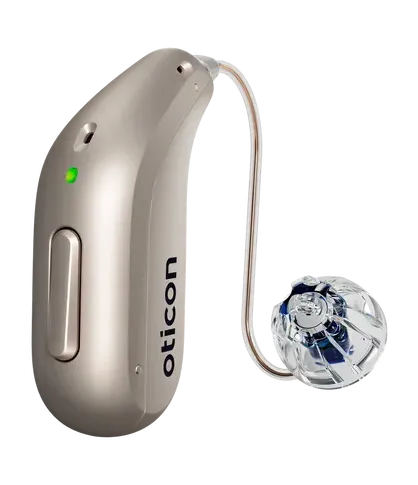
Oticon Intent
Advanced hearing technology that recognizes your listening intentions and adapts in real time to deliver natural sound quality.
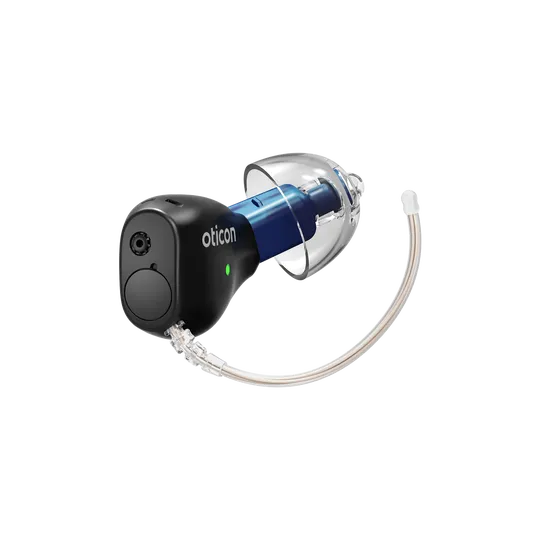
Oticon Zeal
Oticon Zeal is a discreet, rechargeable, AI-powered in-the-ear hearing aid that delivers premium sound quality without sacrificing size or style.
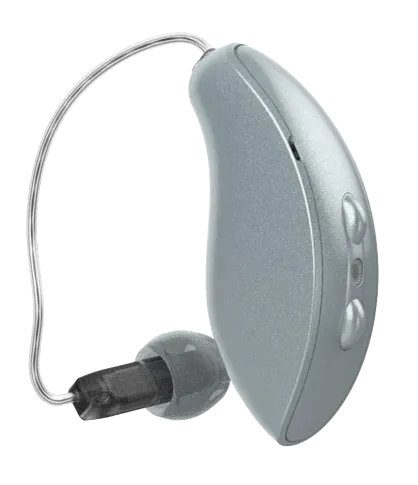
Signia IX
Intelligent hearing technology that processes multiple conversations simultaneously while adapting to your unique sound preferences.
Widex Allure
Hearing technology that delivers pure, natural sound through advanced processing and exceptional streaming capabilities.
Starkey Omega AI
Hearing technology powered by artificial intelligence that learns your preferences and adapts to your lifestyle automatically.
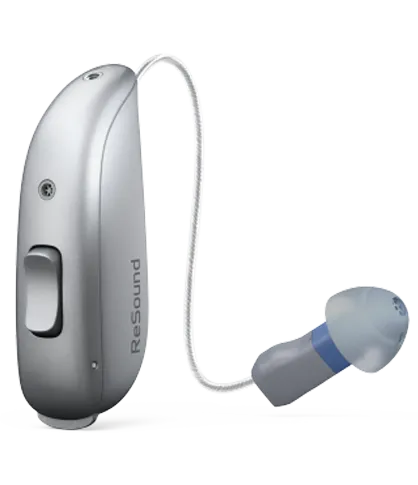
ReSound Vivia
Hearing technology that delivers clear, comfortable sound with organic processing and seamless wireless connectivity.
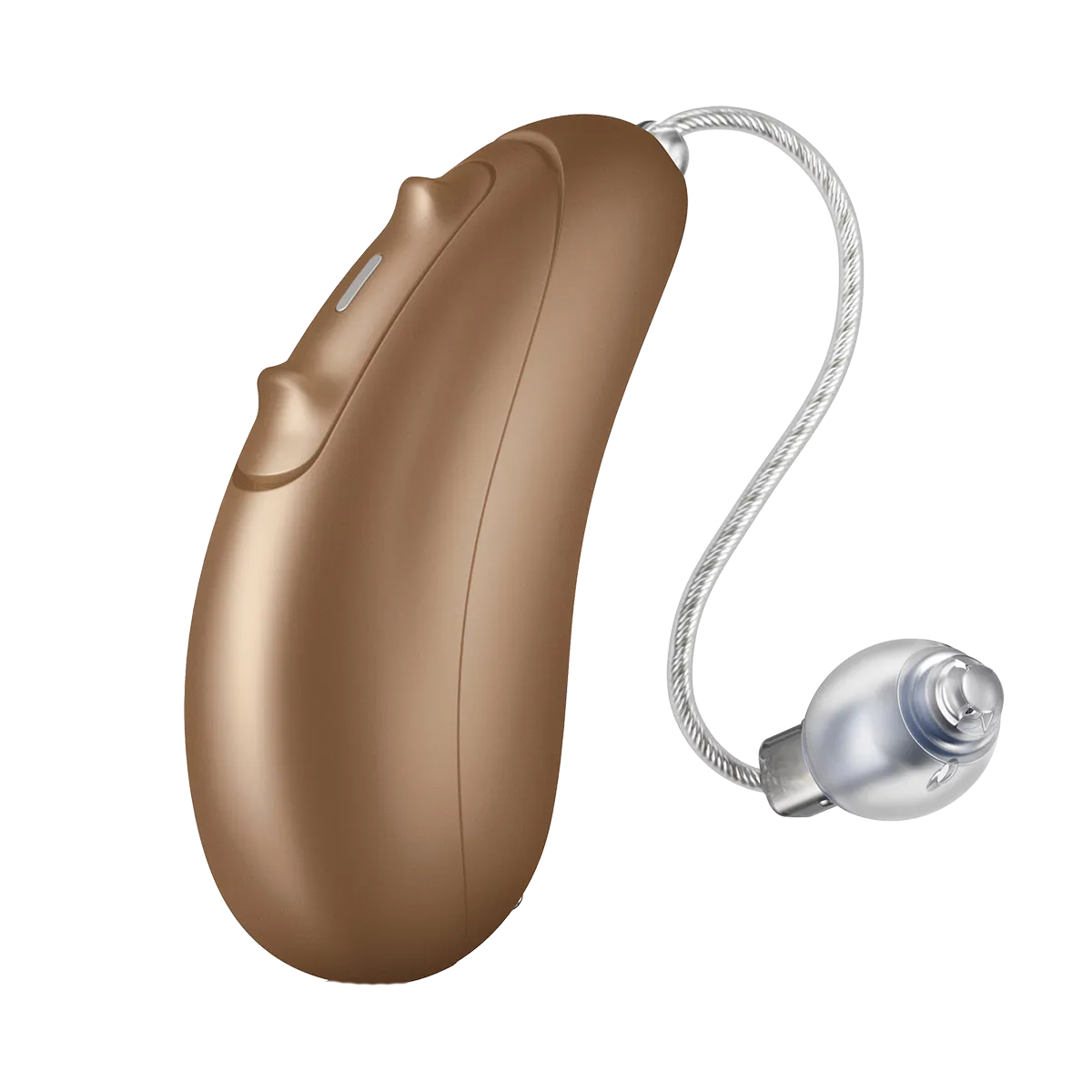
Unitron Smile
Hearing technology designed for clarity in conversations with intuitive controls and reliable performance.
Has your family been advising you to get your hearing checked? Are you struggling to communicate well with others, keep up with your active and independent lifestyle, or are unable to enjoy conversations in a noisy restaurant or at a social event?
These and other indicators could mean that you would benefit from hearing aids, but the only way to know the truth is to consult an audiologist for a professional comprehensive hearing assessment.
No. Hearing aids provide assistance to your hearing through sound processing and amplification, but they cannot restore the natural functioning of your ear. However, wearing hearing aids slows the progression of deterioration while limiting cognitive decline and helping correct balance and vertigo challenges.
Most hearing aids have a service cycle of between five and seven years if they are well taken care of with regular scheduled maintenance, tune-ups, and repair. However, most audiologists advise their patients to upgrade every five years so they can take advantage of the newest technologies in a rapidly changing industry.
Yes. Modern hearing aids use zinc-air batteries specifically designed for hearing aids. You’ll be able to find the size and type of batteries you need for your hearing aids in most pharmacies and supermarkets.
The service life of a hearing aid battery depends on the type and quality of battery, how many hours per day you wear your hearing aid, and whether they are exposed to a lot of moisture. Weekly changes are common with smaller batteries, but larger batteries can last two to three weeks.
Each person’s experience is unique, so accurately predicting how long it will take you to adapt to your hearing aids is difficult. The new sounds and amplification that are the result of sound processing shock the central auditory system of your brain, requiring time to acclimate and relearn how to process information.
Most manufacturers allow a 60-day trial period, which is ample time for most people to adjust to their hearing aids and evaluate their benefits. During this time, your hearing care provider will equip you with coping strategies as well as provide ongoing adjustments and support to help speed up the process.
In comparison to the cost of leaving your hearing untreated, they are actually inexpensive. However, the research and development that goes into hearing aids as well as the fact that they are sold in relatively low volume (about 1.7 million hearing aids for some 30 million people with a hearing loss) and the industry standard one- to two-year warranty for replacement and repairs all affect the purchase price.
About Hearing Aid Technology
Request a callback
It’s often the small questions and concerns that hold us back from making positive decisions – especially when it comes to your hearing health.
That’s why we offer no-obligation friendly calls to help answer those questions, whether on behalf of yourself or a loved one.
Simply complete the form and a member of our team will call you back shortly.
Don’t want to wait? Call us at: (936) 632-2252